Star Wars through Cyber Kill Chain
Welcome to Cyer4nt! This is the second post in a series about interview-related questions for Cyber Security Engineers. Today, I'm sharing a fun task I did during an interview with a well-known (and amazing) media organization. The task presents an entertaining approach: analyzing Star Wars: Episode IV A New Hope movie through the lens of the Kill Chain Model. May the Cyber Force be with you!
The Task:
You are an Imperial Security Analyst in charge of providing computer security for the DS-2 Orbital Battle Station (or Death Star). Provide a step-by-step kill chain use case according to your research from the first Death Star destruction.
Hope you enjoy it!
Galactic Empire Incident Report
| Field | Value |
|---|---|
| Date: | E%e/%f |
| Victim: | Galactic Empire |
| Adversary: | Rebel Group (aka APT-303) |
| Report Prepared by: | Imperial Security Analyst of The Galactic Empire |
Executive Summary
A 0-day critical vulnerability (later rated CVSS 9.7) was exploited on one of the biggest Empire's stations called The Death Star. This led to its total destruction. Luke Skywalker with the assistance of other adversaries known as the Rebel Group (also reffered to as APT-303), was able to fire proton torpedoes into the exhaust port, triggering a catastrophic chain reaction that obliterated the Death Star. This incident inflicted severe losses on the Galactic Empire, including the loss of their most formidable weapon, significantly contributing to their eventual downfall. To shed light on the case, we have analyzed the attack using the Cyber Kill Chain model.
1. Reconnaissance
In this phase the adversaries gather information about the target's vulnerabilities.
The Rebel Group identified a critical design flaw in the DS-1. The technical plan of the DS-1 was obtained by Princess Leia, an insider who worked for APT-303.
The act of stealing data is a hostile action that can be described within the framework of the Kill Chain. However, in this report, we examine the incident in a broader context.
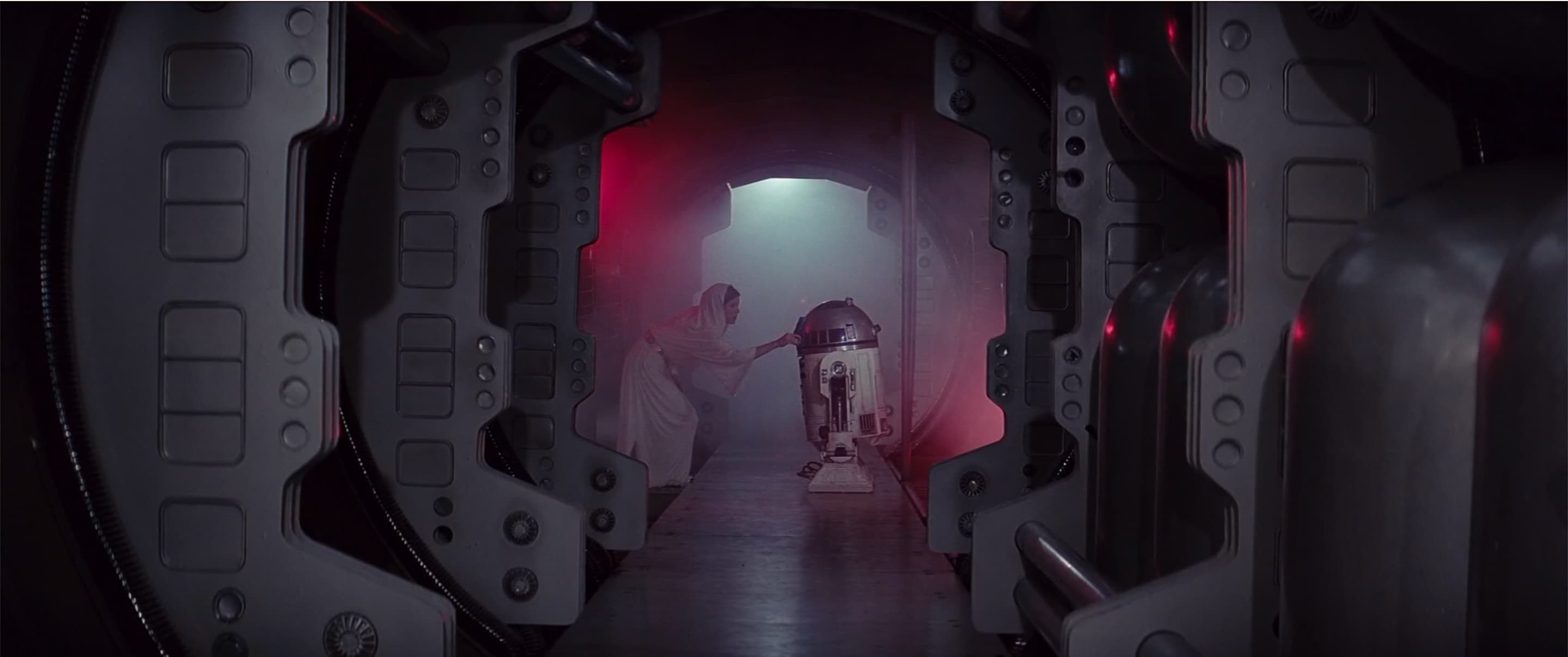 Figure 1 - Princess Leia storing the stolen data into the R2D2
R2D2 managed to escape the controlled airship undetected due to the inability of the Empire to detect non-organic lifeforms. Given the existence of other lifeforms such as droids, the Empire needs to revisit their policies and procedures and incorporate new detection methods for all types of lifeforms. Furthermore, any critical technical documentation that could expose flaws in the system must have been encrypted using a Force Resistant encryption algorithm to ensure the confidentiality of data.
2. Weaponization
In this phase, the attacker focuses on developing the necessary tools to exploit the identified vulnerabilities.
The Rebel Group devised a strategy to exploit the discovered weakness of the Death Star.
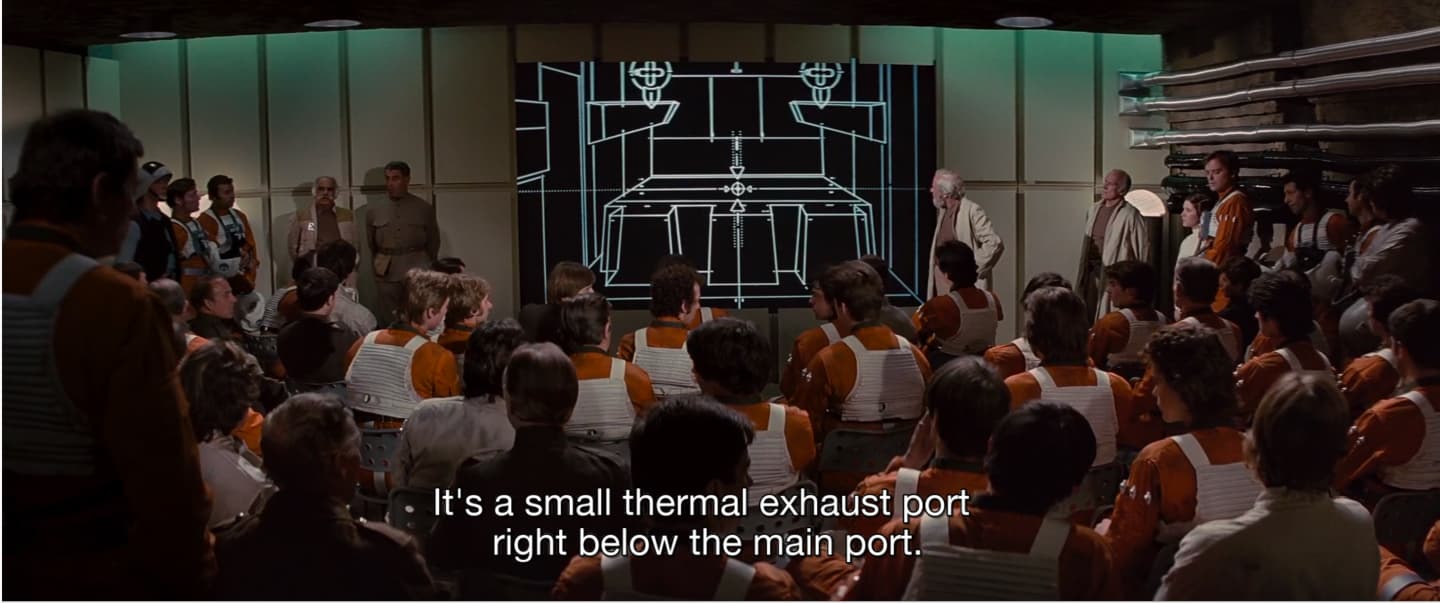 Figure 2 - The rebel group developing their attack strategy
As the adversaries continue to develop their strategies and toolsets, it is essential for us to maintain constant vigilance. This involves proactively developing our playbooks, thoroughly researching our own infrastructure, and enhancing our Threat Intelligence capability.
3. Delivery
In this phase the attacker transmits the weapon to the target.
To execute the attack on the DS-1, the Rebel Group organized a fleet of starfighters comprising X-Wings and Y-Wings. These starfighters were equipped with the required proton torpedoes to carry out the mission successfully.
 Figure 3 - Act of impersonation by the adversaries
To enhance security awareness and prepare personnel for such attacks, it is important to conduct regular phishing awareness campaigns. These campaigns help educate employees about the risks associated with phishing and train them to identify and report suspicious emails or messages effectively.
In addition, deploying an intrusion prevention system (IPS) with up-to-date rules can help provide timely alerts and block any unauthorized access attempts by the X-Wings and Y-Wings in the controlled perimeter.
4. Exploitation and Installation
This phase refers to the adversary's lateral movement through the defense forces of the Empire. This phase involves bypassing and evading the Empire's defenses to reach the intended target and strategically placing the starfighters in the optimal position to exploit the vulnerability and launch the attack.
 Figure 4 - R2D2 hacking the infrastructure of the Empire
To enhance network security, it is recommended to deploy network access control (NAC) solutions. NAC solutions help in restricting unauthorized devices from accessing the network. By implementing NAC, organizations can enforce policies that ensure only authorized and compliant devices are allowed to connect to the network. This helps prevent potential threats posed by unauthorized or compromised devices and mitigates the risk of unauthorized access.
5. Command and Control
The attacker establishes communication channels between their infrastructure and the compromised system to maintain control, receive instructions, and exfiltrate stolen data. Similarly, during the battle, the leaders of the Rebel Group maintained communication with their pilots, providing guidance and coordinating the attack. Effective communication channels between the adversaries and their forces play a critical role in executing their strategies, ensuring effective coordination maximizing their chances of success.
 Figure 5 - Command & Control of APT-303 from inside
Continuous monitoring and rapid response strategies are crucial to prevent attackers from achieving their end goals.
6. Actions on Objectives
In this final phase, the attacker executes their intended objectives, which may vary depending on their motives.
Luke Skywalker, guided by the Force, fired the proton torpedoes into the thermal exhaust port. The torpedoes traveled down to the main reactor, initiating a chain reaction that ultimately resulted in the destruction of the Death Star.
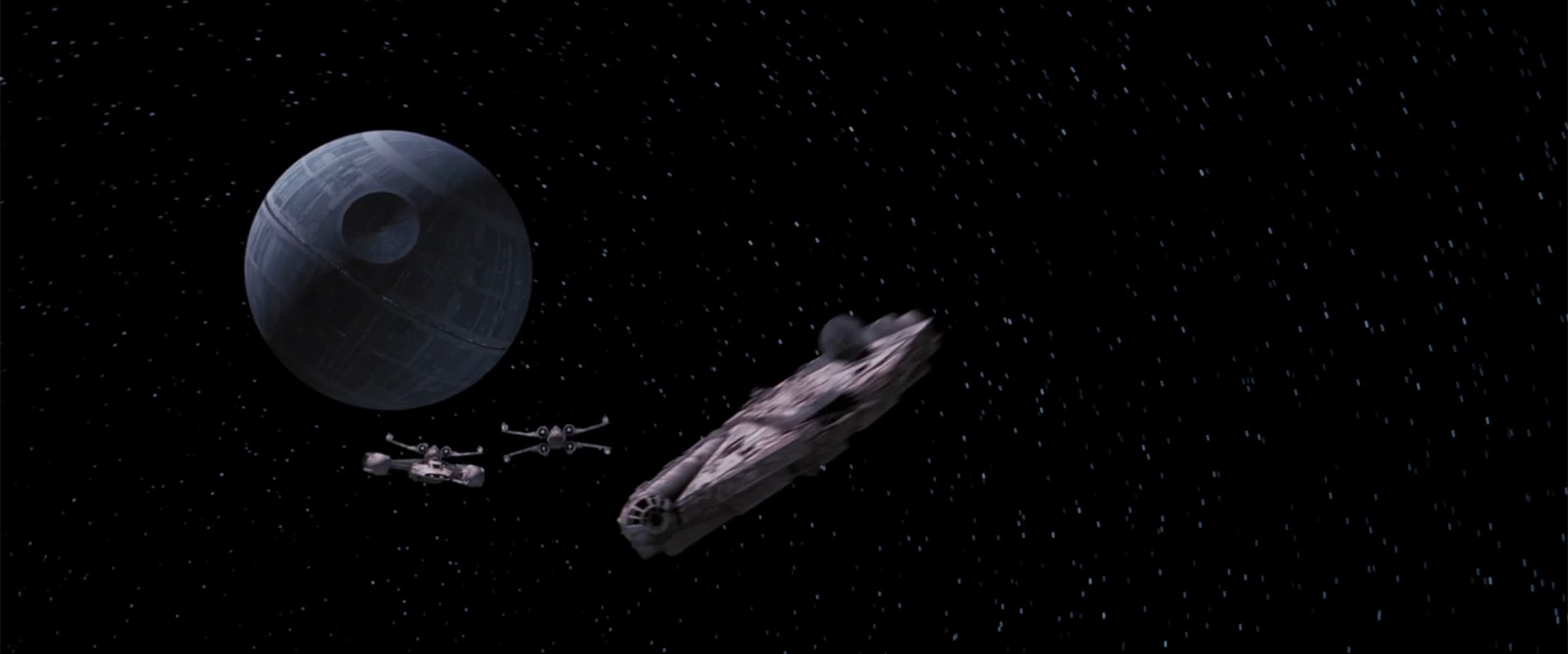 Figure 6 - Escape of Luke Skywalker from DS-1 before it's destruction
Fix the weakness by isolating the thermal exhaust port from the reactor in order to mitigate the chain reaction.
Conclusion
Despite the Empire's vast resources, including numerous scientists, engineers, and disciplined troopers, the Battle of Yavin resulted in a loss for the Empire, with the DS-1 being destroyed along with a significant number of personnel.